Email id.
-
-
Phone No.
+91 9920081881
-
Location
Get Direction
Email id.
Phone No.
Location
Kidney stones are hard deposits made of minerals and salts that form inside the kidneys. They may remain in the kidney without causing symptoms or move into the ureter, leading to pain and urinary problems. The size, location and type of stone can influence the symptoms and treatment approach.
Dr. Rahul Satiya provides evaluation and Best Kidney Stone Treatment in Dadar, Mumbai with treatment recommendations based on the patient's symptoms, medical history, stone characteristics and investigation reports.
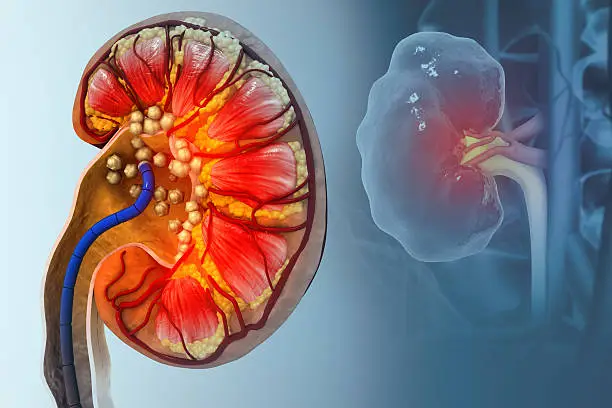
Kidney stones develop when certain minerals and salts become concentrated in the urine and form crystals. Over time, these crystals can join together and develop into stones.
Some kidney stones are small enough to pass naturally through the urinary tract, while larger stones may require medication, a minimally invasive procedure or surgical treatment.
Kidney stones can develop due to several factors, including:
Kidney stones may not cause symptoms until they move within the kidney or pass into the ureter. Common symptoms include:
Patients with kidney stones may also experience urinary symptoms or recurrent infections. Learn more about UTI Care and other urological conditions treated by Dr. Rahul Satiya.
1. Observation and Medical Management - Small stones may pass naturally in selected patients. Depending on the clinical situation, the treatment plan may include adequate fluid intake, pain management and prescribed medication to support stone passage.
Follow-up may be recommended to confirm whether the stone has passed and whether any obstruction remains.
2. ESWL – Extracorporeal Shock Wave Lithotripsy - ESWL uses externally generated shock waves to break certain kidney stones into smaller fragments. The fragments can then pass through the urinary tract. Whether ESWL is suitable depends on factors such as stone size, location and composition.
3. Ureteroscopy (URS) - Ureteroscopy is a minimally invasive procedure in which a small endoscopic instrument is passed through the urinary tract to reach the stone. Depending on the stone, it may be removed directly or fragmented using laser energy.
4. PCNL – Percutaneous Nephrolithotomy - PCNL is a minimally invasive procedure generally used for larger or more complex kidney stones. A small access tract is created through the skin into the kidney, allowing the stone to be fragmented and removed. The choice of procedure depends on the stone burden, location and individual clinical factors.
Dr. Rahul Satiya is a qualified Consultant Urologist and Andrologist with MBBS, DNB in General Surgery and DrNB in Urology, along with over 8 years of experience in surgical practice. He provides evaluation and treatment for kidney stones based on the stone's size, location, symptoms, medical history and investigation reports. His approach may include medical management or appropriate minimally invasive treatment options depending on the patient's condition. For consultation enquiries, you can contact Dr. Rahul Satiya at 09920081881.
If you are looking for Best Kidney Stone Treatment in Dadar, Mumbai, Dr. Rahul Satiya provides consultation and treatment planning for kidney stones based on the patient's symptoms, medical history, stone size, location and investigation reports. Treatment may include medical management or appropriate minimally invasive procedures depending on the individual condition. For consultation enquiries, you can contact Dr. Rahul Satiya at 99200 81881
Ans - Kidney stones are hard deposits formed from minerals and salts present in urine. They can remain in the kidney or move into the ureter and cause pain or urinary symptoms.
Ans - Common symptoms include severe side or lower back pain, pain radiating towards the groin, blood in the urine, burning while urinating, frequent urination, nausea and vomiting.
Ans - Some small stones may pass naturally without a procedure. The likelihood depends on factors such as stone size, location and the patient's symptoms and clinical condition.
Ans - Diagnosis may involve a medical evaluation, urine tests, blood tests and imaging such as ultrasound, X-ray or CT scan when clinically appropriate.
Ans - Treatment depends on the stone's size, location, symptoms and other clinical factors. Options may include observation and medication, ESWL, ureteroscopy or PCNL.
Ans - ESWL, or Extracorporeal Shock Wave Lithotripsy, uses shock waves to break selected kidney stones into smaller fragments that can pass through the urinary tract.
Ans - Ureteroscopy is a minimally invasive procedure in which a small endoscope is passed through the urinary tract to reach and treat a kidney or ureteric stone. Laser energy may be used to fragment the stone when appropriate.
Ans - PCNL, or Percutaneous Nephrolithotomy, is a minimally invasive procedure generally used for larger or complex kidney stones. The stone is accessed through a small tract created into the kidney.
Ans - Yes. Kidney stones can irritate the urinary tract and may cause blood in the urine. Blood in the urine should be medically evaluated because it can also occur due to other conditions.
Ans - Kidney stones can be associated with urinary obstruction and may occur along with urinary infections. Fever, chills and urinary symptoms in a person with a suspected stone require prompt medical evaluation.
Ans - Yes. Some people develop kidney stones again after treatment. Identifying contributing factors and following appropriate dietary and lifestyle recommendations may help reduce recurrence.
Ans - Adequate fluid intake is important for many people with a history of kidney stones. The appropriate amount can vary according to individual health conditions and stone type, so follow your doctor's recommendations.
Ans - Severe pain with fever or chills, persistent vomiting, difficulty passing urine or other concerning symptoms require prompt medical assessment because obstruction or infection may need urgent treatment.
Ans - Dr. Rahul Satiya is a Consultant Urologist and Andrologist providing consultation for kidney stones and other urological conditions in Dadar, Mumbai. For appointments and consultation enquiries, call 099200 81881.